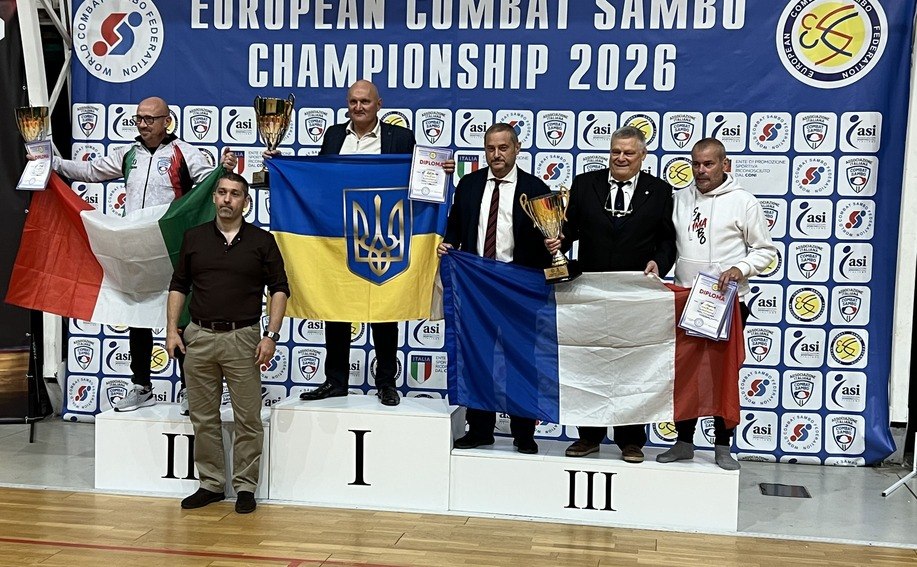
EFFECTIVE JANUARY 1, 2026

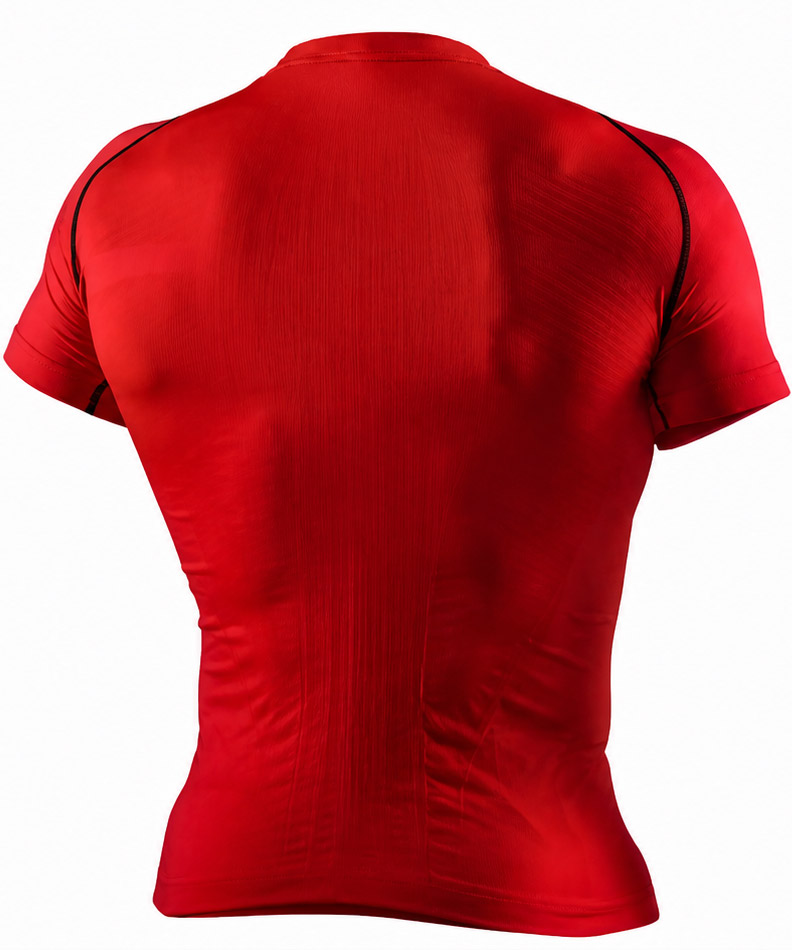
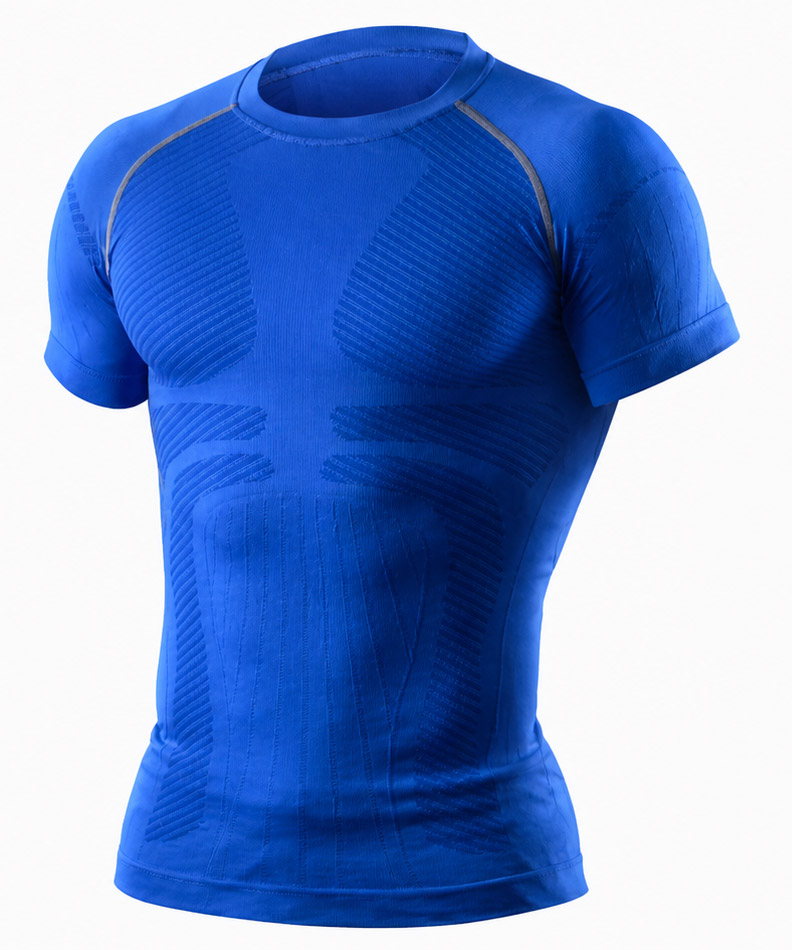
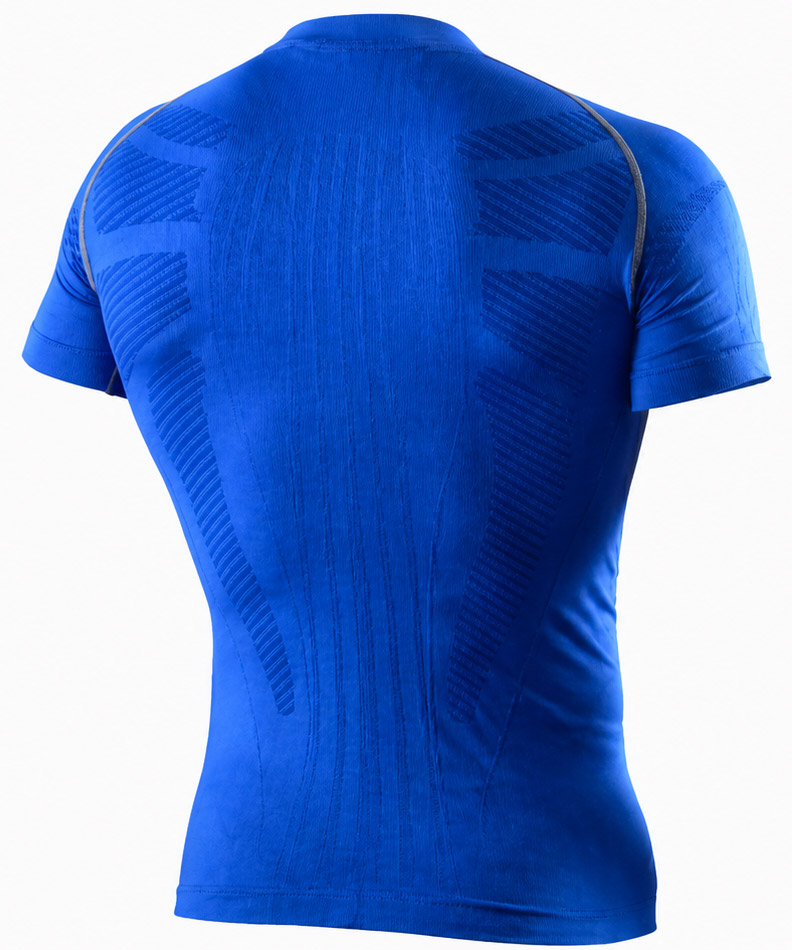
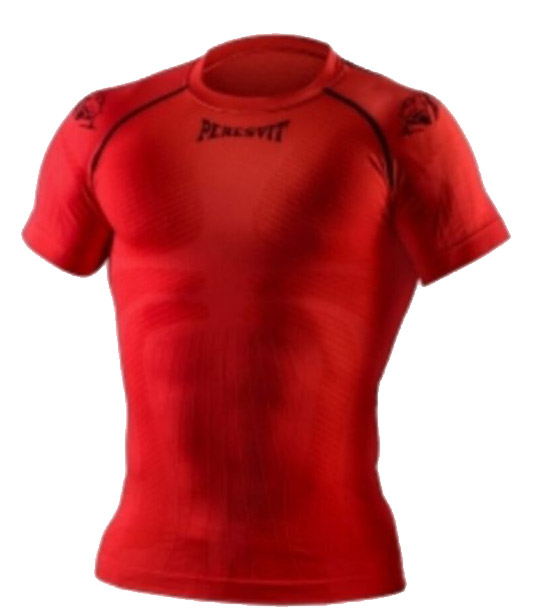
All competitors in the Pro Full and Light No-Gi divisions will be required to wear a mandatory red-and-blue rash guard. Competitors wearing plain blue or red T-shirts will no longer be allowed to compete. Only a rash guard is permitted, and it must be blue or red, depending on whether the athlete is in the blue or red corner.

BY AGE CATEGORIES

In the 7–8-year-old and 9–10-year-old age categories, athletes may compete in either rash guards or plain blue-and-red T-shirts, depending on whether the athlete is in the blue or red corner.

For athletes aged 11 to 19+ years, it is prohibited to use rash guards of other colors, two-tone rash guards, or rash guards with any inserts of other colors. The same applies to children aged 7–8 and 9–10: only one color is permitted for rash guards and T-shirts—red or blue.

LOGO

On the front of the rash guard in the chest area on the left or right, as well as on the sleeves of the rash guard on the left and right, at the athlete’s discretion, the following may be displayed: the FBSU logo, a sports club logo, the Ukrainian flag, the Ukrainian coat of arms, or the inscriptions “UKR,” “COMBAT SAMBO,” or “UKRAINE.”

On the back of the rash guard, in the shoulder area, the athlete may optionally display the inscriptions “UKR,” “COMBAT SAMBO,” or “UKRAINE.”

It is prohibited to use logos of any other sports or non-sports organizations on rash guards.

For participation in combat sambo competitions in the Full and Light-No-Gi divisions, blue and red rash guards from any manufacturer that sells rash guards in Ukraine are permitted.

Sports shorts for combat sambo, in accordance with FBSU rules:

SECTION 6. EQUIPMENT AND FACILITIES

6.1. Competition Area (Mat)

6.1.1.

Combat Sambo competitions shall be conducted on a competition площадке measuring 13 m × 13 m with a flat surface designed to eliminate the risk of injury to competitors.

A square competition mat measuring not less than 10 m × 10 m, or 8 m × 8 m for local-level competitions, shall be installed within the competition area.

6.1.2.

A standard tatami or wrestling mat may be used for competitions.

6.1.3.

The centre of the competition mat shall be marked by a circle with a diameter of 40–60 cm.

6.1.4.

The working area shall consist of a square located within the safety zone measuring not less than:

  • 8 m × 8 m; or
  • 6 m × 6 m for local competitions.

A circular competition area with a diameter of 6–8 metres may also be used.

6.1.5.

The area on which the mat is laid shall be at least 2 m wider than the mat on each side and shall be free of any foreign objects and any barriers.

6.1.6.

If the competition is held on a platform, the height of the platform shall not exceed one meter. The side surfaces of the platform shall have an outward slope of 45° and shall be decorated with panels.

6.1.7.

The mat blocks (mats or tatami) shall cover the competition area without any gaps. The mat shall be secured with a restraining wooden frame having a height equal to one-half of the height of the mats where the surface material does not allow the mat to remain in a solid state under the load of the bouts.

6.1.8.

In order to comply with hygiene requirements (washing, disinfecting the mat, foot-wiping mats, etc.), appropriate conditions shall be provided during the competition.

6.1.9.

For the Pro-Full discipline, the use of a ring or an octagon with a minimum side width or diameter of at least 6 m is permitted.

6.1.10.

In order for the mat blocks (mats or tatami) to tightly cover the competition area without gaps, the mat shall be secured with a restraining wooden frame, the height of which shall be equal to one-half of the height of the mats (double-sided adhesive tape may be used to secure the mat).

6.1.11.

Appropriate conditions shall be provided to ensure compliance with hygiene measures (washing, disinfection, foot-wiping mats, etc.).

6.2. Audible Signal, Scales, Stopwatch

6.2.1.

The audible signal (bell or gong) shall be sufficiently loud.

6.2.2.

The scales used for weighing competitors shall be calibrated and shall provide a weighing accuracy of ±0.05 kg.

6.2.3.

Stopwatches (or electronic timing devices) shall be certified and equipped with a start/stop function without resetting the minute and second readings.

6.3. Information Devices

6.3.1.

To inform judges and competitors of the expiration of each minute of the bout, display boards or an electronic scoreboard showing the time count may be used.

6.3.2.

To inform spectators and competitors about the progress of the bout, an electronic scoreboard or display board shall be installed to show the scores for technical actions, as well as any remarks and warnings announced to the competitors.

6.3.3.

The numbers and text displayed on the board and the scoreboard shall be clearly visible to competitors and spectators.

6.4. Requirements for Competition Venues

6.4.1.

The sports facility where the competition is held shall comply with fire safety regulations and standards.

6.4.2.

The sports hall shall be equipped with a general lighting system providing uniform illumination. The daylight factor shall be 2.5% with overhead or combined lighting and 0.7% with side lighting. The combined lighting coefficient shall be 1.5% with overhead or combined lighting and 0.4% with side lighting. The non-uniformity of natural lighting shall not exceed 3:1. The level of artificial lighting shall be at least 800 lux.

6.4.3.

When competitions are held indoors (where spectator seating is available), the air temperature shall not be lower than 15°C. The relative humidity shall be 30–60% during the warm season and 30–45% during the cold season.

6.4.4.

Competitions shall be held in premises equipped with general mechanical ventilation or natural ventilation with air supplied through dedicated ventilation ducts.

6.4.5.

When competitions are held outdoors, the competition area shall be level and free from foreign objects to prevent injuries.

6.4.6.

The area surrounding the competition area shall be kept free of spectators for a distance of at least 3 meters around its perimeter.

SECTION 5. OFFICIATING PANEL OPERATIONS

5.1. Commencement and Conclusion of the Bout

5.1.1.

Competitors shall be called onto the competition area for the conduct of the bout.

5.1.2.

The competitor called first shall wear a red jacket and red shorts and shall take position in the red circle (corner) of the competition area.

The opponent, wearing a blue jacket and blue shorts, shall take position in the blue circle (corner).

The Seconds shall occupy the designated places opposite one another at the edge of the competition area, aligned with the Side Judge.

5.1.3.

After being introduced to the officials and spectators, the competitors shall, upon the Referee’s signal, approach the centre of the competition area, shake hands, and then step back.

Following the Referee’s arm signal and the verbal command:

“Fight!”

(simultaneously with the sounding of the gong indicating the start of the bout),

the competitors shall commence the bout.

5.1.4.

The bout shall end upon the sounding of the gong.

The competitors shall then return to their respective positions.

5.1.5.

For the announcement of the result, the Referee shall summon both competitors to the centre of the competition area, take each competitor by the wrist, face the Chief Referee, and raise the hand of the winner.

The competitors shall then shake hands and leave the competition area accompanied by their Seconds.

5.2. Conduct, Duration and Number of Bouts

5.2.1.

The duration of bouts shall be:

  • Children – 3 minutes;
  • Cadets/Youth – 3 minutes;
  • Juniors – 4 minutes;
  • Adults – 5 minutes.

5.2.2.

Where, at the end of the regulation time, both competitors have an equal number of points and a winner cannot be determined in accordance with Table No. 2, the Mat Chairman (Arbitrator) shall, without stopping the bout, order an additional period of:

  • 1 minute for Children;
  • 2 minutes for Cadets/Youth, Juniors, and Adults.

5.2.3.

The timing of the bout shall commence upon the Referee’s command:

“Fight!”

Any interruptions shall not be included in the effective (actual) bout time.

5.2.4.

The bout shall conclude upon expiration of the allotted time, indicated by the sounding of the gong or by the Timekeeper’s verbal announcement:

“Time!”

5.2.5.

During a single bout, a competitor shall be allowed no more than three (3) minutes, in total, to receive medical assistance or to correct deficiencies in equipment.

Such interruptions shall be recorded in the Official Bout Record.

5.2.6.

All bouts within the same weight category shall be conducted on the same day.

The interval between the preliminary bouts and the finals shall not be less than one (1) hour.

5.2.7.

The rest period between bouts for each competitor shall not be less than fifteen (15) minutes.

5.3. Determination and Announcement of the Bout Result

5.3.1.

The winner of the bout shall be determined by the Mat Chairman (Arbitrator) on the basis of the entries recorded in the Official Bout Record in accordance with the scores awarded for the competitors’ technical actions.

5.3.2.

The result of the bout shall be announced as follows:

Early Victory

“At ___ minutes ___ seconds, by means of a joint lock (strike, choke hold, or evident superiority), victory is awarded to the competitor wearing the red (blue) jacket — (first name, surname, sports club/team).”

The results of all other types of victories shall be announced in the same manner.

Example:

Victory by Decision of the Officiating Panel

“Upon the expiration of the extra time, by decision of the officiating panel, victory is awarded to the competitor wearing the red (blue) jacket — (surname, first name, sports club/team).”

Victory Following Removal or Withdrawal of the Opponent

“At ___ minutes ___ seconds, due to the opponent being withdrawn by the Competition Physician (Second, refusal to continue, or expiration of the permitted medical time limit), victory is awarded to the competitor wearing the red (blue) jacket — (first name, surname, sports club/team).”

5.4. Resolution of Situations Not Covered by the Rules

5.4.1.

Where a situation arises during a bout that is not provided for by these Rules, the Referee shall immediately stop the bout in order to prevent any adverse consequences.

5.4.2.

Following consultation with the officiating team and, where necessary, with the Chief Referee, the Mat Chairman (Arbitrator) shall announce the decision of the officiating panel.

5.5. Protest

5.5.1.

A protest may be submitted by the Team Representative (or the head of the participating organization) concerning:

  • a violation of these Rules;
  • a violation of the Competition Regulations;
  • or the existence of exceptional circumstances affecting the conduct or outcome of the bout.

5.5.2.

A protest shall be submitted to the Chief Referee of the competition (or to the representative of the Appeals Commission) in written form, in the Russian language, within fifteen (15) minutes after the conclusion of the bout.

The protest shall:

  • refer to the relevant provisions of these Rules;
  • be completed on the prescribed official form (Appendix No. 21).

The Appeals Commission shall render its decision within thirty (30) minutes after the conclusion of the bout.

The decision shall be approved by the Chief Referee and shall be final.

5.5.3.

Where a protest is found to be unsubstantiated, the Team Representative may be:

  • removed from the competition; and/or
  • subjected to a disciplinary fine.

5.5.4.

Where a protest is accepted for consideration, it shall be examined by the full composition of the officiating panel (Appeals Commission).

The final decision shall be adopted by a simple majority vote.

5.5.5.

During the examination of a protest, video recordings of the bout may be reviewed.

Representatives of both teams may be invited to attend the review; however, they shall not have the right to participate in the discussion or decision-making process.

5.5.6.

The decision of the officiating panel shall be communicated to the parties in writing.

SECTION 4. CONTENT OF THE BOUT

4.1. Competitors’ Positions on the Competition Area

4.1.1. Standing Position

A competitor shall be deemed to be in the standing position when only the soles of the feet are in contact with the competition area.

4.1.2. Ground Position

A competitor shall be deemed to be in the ground position when any part of the body (torso or trunk) is in contact with the competition area.

4.1.3. Kneeling Position

A competitor shall be deemed to be in the kneeling position when one or both knees are in contact with the competition area. In this position, the competitor may sit on the calf muscles without the buttocks touching the surface of the competition area.

4.1.4. Standing Bout

A bout shall be considered to be conducted in the standing position when both competitors are in the standing position.

4.1.5. Ground Bout

A bout shall be considered to be conducted in the ground position (parterre) when one or both competitors are in the ground position.

4.1.6. Out of Bounds

A competitor shall be considered out of bounds:

a) in the standing or kneeling position, when one competitor steps beyond the boundary of the competition area with one foot;

b) in the ground position, when the greater part of one competitor’s torso, including the belt area, extends beyond the boundary of the competition area, except where the attacking competitor is actively applying a hold-down, joint lock, or choke hold, or is executing a series of strikes.

4.2. Permitted and Prohibited Actions

4.2.1.

In the Classic and Pro-Full disciplines, competitors may perform all technical actions permitted under these Rules and the Competition Regulations.

Strikes, throws, hold-downs, joint locks, and choke holds may be executed in all positions defined by these Rules.

4.2.2.

In the Light Gi and Light No-Gi disciplines:

  • hand strikes to the head while standing are prohibited;
  • in the ground position, strikes to the head are prohibited, except when the competitors are in the guard or mount positions and both knees of the attacking competitor remain on the competition area;
  • knee strikes are prohibited;
  • strikes while standing are prohibited whenever one competitor has established a grip on the opponent’s jacket.

4.2.3.

All technical actions intended to unbalance an opponent, as specified in Table 1, shall be evaluated exclusively from the standing position.

4.2.4.

A hold-down shall be evaluated only when performed in the ground position.

4.2.5.

Technical actions may be performed using the hands, legs, knees, and combined movements.

The use of elbow strikes and head strikes is prohibited.

4.3. Strikes

4.3.1.

A strike shall mean a purposeful, short-duration impact delivered by the striking surface of the attacking or counter-attacking competitor against the opponent’s body, as a result of which the opponent assumes the ground position or becomes unable to continue the bout.

4.3.2.

Strikes may be delivered using:

  • any surface of the fist;
  • the elbow;
  • the forearm;
  • the shoulder;
  • the open palm;
  • the knife edge of the hand;
  • the knee;
  • the shin;
  • any surface of the foot.

4.3.3.

Permitted target areas for strikes are:

  • the head (excluding the back of the head);
  • the neck (excluding the throat and cervical vertebrae);
  • the chest;
  • the abdomen; 
  • the sides of the torso;
  • the back (excluding the spinal column);
  • the legs.

4.3.4.

In the Classic and Pro-Full disciplines, hand strikes may be delivered in all positions in accordance with these Rules.

4.3.5.

In the Light Gi and Light No-Gi disciplines, hand strikes to the head while standing are prohibited.

In the ground position, strikes to the head are prohibited except when the competitors are in the guard or mount positions.

4.3.6.

Kicks may be delivered only against an opponent who is:

  • in the standing position;
  • in the kneeling position; or
  • when both competitors are in the ground position.

4.3.7.

Controlling an opponent in the ground position while carrying out a continuous series of strikes for ten (10) seconds shall be evaluated as Activity.

4.4. Throws

4.4.1.

A throw shall mean a technical action executed by the attacking competitor from the standing position, as a result of which the opponent loses balance and falls from the standing position into the ground position, or becomes unable to continue the bout.

4.4.2.

A throw without falling is a throw in which the attacking competitor remains in the standing position from the initiation of the throw until its completion.

4.4.3.

A counter-throw is a technical action performed by the defending competitor, whereby he or she intercepts the initiative, changes the nature or direction of the attacking competitor’s movement, and, upon completion of the action, lands in a dominant position above or to the side of the opponent.

4.4.4.

A throw with falling is a throw during which the attacking competitor transitions from the standing position to the ground position, or supports himself or herself on the grounded opponent in order to maintain balance.

4.4.5.

A throw executed against an opponent who is already in the ground position shall be scored only where the opponent is completely lifted off the competition area, raised above the attacker’s waist level, and rotated around the horizontal axis.

4.4.6.

Lifting a competitor from the competition area while he or she is in the ground position and returning the competitor to the same position without rotation shall not be considered a throw.

4.5. Hold-downs

4.5.1.

A hold-down is a technical action whereby a competitor forces the opponent to remain on his or her back (or with the back directed toward the competition area) for ten (10) seconds, while maintaining body contact by pressing the torso against the opponent’s torso or against the opponent’s arms held against the torso.

4.5.2.

The timing of a hold-down shall commence at the moment when the attacking competitor, maintaining chest, side, or back contact with the opponent, securely controls the opponent in the supine position.

4.5.3.

The timing of the hold-down shall cease if:

a) the held competitor turns onto the chest, abdomen, or buttocks, causing the angle between the back at shoulder blade level and the surface of the competition area to exceed 90 degrees;

b) the held competitor fully pushes the attacking competitor away with fully extended arms;

c) both competitors move beyond the safe area of the competition area;

d) the attacking competitor proceeds to apply a joint lock or choke hold.

4.6. Joint Locks

4.6.1.

A joint lock is a technical action involving pressure applied to the joints of the limbs by means of hyperextension (armbar or leg lock), joint rotation (joint lock), or compression of tendons or muscles, resulting in the defending competitor acknowledging defeat.

4.6.2.

Joint locks may be executed in all positions permitted under these Rules.

4.6.3.

A joint lock shall be deemed to have commenced at the moment when, following control of the opponent’s limb at the targeted joint, the attacking competitor begins an action intended to produce pain or force the opponent to submit.

Maintaining control of an opponent in a joint lock for thirty (30) seconds shall be evaluated as Activity.

4.6.4.

A verbal signal of submission during the execution of a joint lock shall be given loudly by the word:

“I Submit!”

(or by any other clear verbal exclamation).

A non-verbal signal of submission shall consist of repeated tapping with the hand or foot on the competition area or on the body of the attacking competitor.

4.6.5.

The application of a joint lock shall be immediately discontinued if both competitors move beyond the safe area of the competition area.

4.7. Choke Holds

4.7.1.

A choke hold is a technical action involving pressure applied to the respiratory tract or blood vessels with the purpose of inducing choking, as a result of which the defending competitor submits or becomes unable to continue the bout.

4.7.2.

Choke holds may be executed in all positions permitted under these Rules.

4.7.3.

A choke hold shall be deemed to have commenced at the moment a grip is established that allows the attacking competitor either to proceed directly with the choke or to overcome the opponent’s defensive grip.

Maintaining control of an opponent in a choke hold for thirty (30) seconds shall be evaluated as Activity.

4.7.4.

A verbal signal of submission during the execution of a choke hold shall be given loudly by the word:

“I Submit!”

(or by any other clear verbal exclamation).

A non-verbal signal of submission shall consist of repeated tapping with the hand or foot on the competition area or on the body of the attacking competitor.

4.7.5.

The application of a choke hold shall be terminated immediately if the defending competitor loses the ability to continue the bout.

4.7.6.

The application of a choke hold shall also be terminated immediately once the competitors move beyond the safe area of the competition area.

4.8. Evaluation of Technical Actions

4.8.1.

The quality and evaluation of technical actions (strikes, throws, and other techniques) shall depend upon the position of the competitors relative to the surface of the competition area both before and after the execution of the technique.

4.8.2.

The evaluation of technical actions performed by the attacking competitor from the standing position shall be carried out in accordance with Scoring Table No. 1.

Scoring Table No. 1

To view the entire table, scroll to the right
Position in which the opponent lands
Throw without the attacker falling
Throw with the attacker falling
On any part of the body (torso or trunk)
2 points
1 point
On one or both knees with hand support
1 point
No score

4.8.3.

A competitor shall be awarded:

a) Activity (awarded only once during the bout), for:

  • maintaining a hold-down for 10 seconds;
  • maintaining control during a joint lock for 30 seconds;
  • maintaining control during a choke hold for 30 seconds;
  • maintaining control of the opponent while executing a continuous series of strikes in the ground position for 10 seconds,

in accordance with these Rules;

b) 1 point where the opponent receives an official Warning;

c) 1 point where the opponent deliberately crawls or escapes beyond the competition area while caught in a joint lock or choke hold;

d) 2 points where the opponent commits a Prohibited Action (P.A.).

4.8.4.

Technical actions shall be evaluated as follows:

  •  2 points shall be awarded where the attacking competitor executes a technical action causing the opponent to fall onto the side, back, chest, abdomen, buttocks, lower back, or shoulder, while the attacking competitor remains in the standing position and continues the attack.
  • 1 point shall be awarded where the attacking competitor executes a technical action causing the opponent to fall onto any part of the body, while the attacker lands on the ground in a dominant position above or beside the opponent and immediately continues the attack by strikes, a hold-down, a joint lock, or a choke hold.

Where the attacker remains underneath the opponent or fails to continue the attack, the action shall instead be evaluated as Activity.

  • 1 point shall be awarded where, following a strike or throw, the opponent falls onto one or both knees while supporting himself or herself with one or both hands, and the attacking competitor remains in the standing position.
  • 1 point shall also be awarded where, following a strike, the opponent falls onto one or both knees while the attacking competitor remains standing.

4.8.5.

Victory shall be awarded before the expiration of regular time where, as the result of a technical action, the opponent becomes unable to continue the bout.

4.8.6.

Victory shall be awarded before the expiration of regular time upon the successful execution of a joint lock.

4.8.7.

Victory shall be awarded before the expiration of regular time upon the successful execution of a choke hold.

4.8.8.

Hold-downs, joint locks, choke holds, and control of the opponent during a continuous series of strikes in the ground position, initiated within the competition area, may continue outside the competition area provided that the attacking competitor remains in the active phase of the technique and at least one competitor remains within the safe area of the competition area.

4.8.9.

Any technical actions not specifically provided for in Section 4.8 shall be evaluated by the Chief Referee of the competition.

4.9. Prohibited Actions

During a bout, competitors are prohibited from:

  • gripping the opponent’s fingers, hair, nose, ears, or genitals;
  • inserting fingers into the opponent’s mouth, ears, nose, or other body openings;
  • biting or scratching the opponent;
  • pressing or striking the opponent’s eyes with the fingers;
  • striking the back of the head, the cervical vertebrae, or the spinal column;
  • delivering kicks or elbow strikes to the head of an opponent who is in the ground or kneeling position;
  • striking the groin, coccyx, or anal area;
  • delivering head strikes to the opponent’s head;
  • using any foreign objects;
  • intentionally executing throws that cause the opponent to land on the head;
  • applying joint locks or twisting techniques to the spinal column;
  • twisting the neck;
  • hyperextending the knee joint (“knee bar”) outside its natural plane of movement;
  • applying choke holds using the fingers;
  • continuing any technique after the sound of the gong or after the Referee has given the verbal command “Stop!”;
  • feigning or simulating an injury;
  • deliberately delaying the interruption of the bout;
  • giving a false verbal or gestural signal alleging that the opponent has committed a prohibited action;
  • participating in a fixed or non-genuine bout.

4.10. Action at the Boundary of the Competition Area and Avoidance of the Bout

4.10.1.

The boundary of the competition area shall be the outer edge of the red boundary strip separating the red and blue competition zones.

4.10.2.

A competitor shall be deemed out of bounds:

a) during a standing bout, when either competitor steps beyond the boundary of the competition area;

b) during a ground bout, when one-half of a competitor’s torso (at belt level), or the shoulder blade together with the buttock, extends beyond the boundary of the competition area, except as provided in Article 4.1.6(b).

4.10.3.

Whether a competitor is out of bounds shall be determined by the Referee, or, where there is doubt, by the majority decision of the officiating team (the Referee and the Side Judge).

4.10.4.

Where a competitor is determined to be out of bounds, the Referee shall give the command:

“Stop!”

and return both competitors to the centre of the competition area.

4.10.5.

A technical action completed outside the competition area shall be scored provided that it was initiated within the competition area.

Technical actions initiated outside the competition area shall not be scored.

4.10.6.

Hold-downs, joint locks, choke holds, and control of the opponent during a continuous series of strikes in the ground position, initiated within the competition area, may continue until at least one competitor remains within the safe area of the competition area.

4.10.7.

The following actions shall be considered avoidance of the bout:

a) intentionally leaving the competition area;

b) intentionally pushing the opponent beyond the boundary of the competition area;

c) deliberately moving into the ground position without making a genuine attempt to execute a technical action.

4.11. Evaluation of Prohibited Actions and Violations of the Rules

4.11.1.

Where a competitor commits a Prohibited Action that does not result in injury to the opponent, 2 points shall be awarded to the opponent.

A competitor who commits a second prohibited action shall be removed from the bout and shall be declared the loser.

4.11.2.

A competitor shall be removed from the bout and declared the loser if, as a result of a prohibited action committed by that competitor, the opponent is declared by the Competition Physician to be unable to continue the bout.

4.11.3.

The following shall constitute violations of these Rules:

a) failure to appear promptly on the competition area;

b) talking during the bout while on the competition area;

c) avoidance of the bout, including:

  • intentionally leaving the competition area while standing or in the ground position;
  • intentionally pushing the opponent beyond the boundary of the competition area;
  • deliberately moving into the ground position without a genuine attempt to execute a technical action;
  • passivity;

d) deliberately crawling or escaping beyond the competition area while subjected to a joint lock, choke hold, or while the opponent is executing a continuous series of strikes in the ground position;

e) unethical conduct by a Team Representative, Coach, Second, Competitor, any member of the competitor’s team, or the competitor’s supporters.

4.11.4.

For violations of these Rules, the following disciplinary measures shall apply:

  • Remark;
  • First Warning (the opponent shall be awarded 1 point);
  • Second Warning (the opponent shall again be awarded 1 point).

Upon receiving a third Warning, the competitor shall be removed from the bout and declared the loser.

4.11.5.

No more than one Remark may be issued to a competitor during a single bout.

The Referee shall have the authority to encourage active engagement by the competitors without prior consultation with the other members of the officiating team.

4.11.6.

A competitor shall be deemed late if he or she fails to enter the competition area after the competitor’s name has been announced and the official invitation to compete has been made.

Following the first call without appearance, the competitor shall receive a Remark, after which a second invitation shall be issued.

4.11.7.

If the competitor has not appeared one (1) minute after the initial call, the competitor shall receive the First Warning, followed by another invitation to enter the competition area.

If the competitor has still not appeared thirty (30) seconds later, the Second Warning shall be issued together with a further invitation.

If the competitor fails to appear within two (2) minutes after the first official call, the competitor shall be declared defeated.

4.12. Removal from the Bout and Disqualification

4.12.1.

A competitor shall be removed from the bout by decision of the Chief Referee, and victory shall be awarded to the opponent in the following cases:

a) for a repeated Prohibited Action (prohibited technique);

b) if, as a result of the competitor’s use of a Prohibited Action, the opponent is declared by the Competition Physician to be unable to continue the bout;

c) if the competitor exceeds the three (3) minute time limit allocated for medical assistance;

d) upon receiving a third Warning.

4.12.2.

A competitor shall be removed from the competition by decision of the Chief Referee:

a) upon the conclusion of the Competition Physician that the competitor is medically unfit to continue the bout;

b) for unethical conduct during the bout toward the opponent, referees, spectators, including refusal to shake hands with the opponent before or after the bout, or similar conduct;

c) for failure to appear on the competition area within two (2) minutes following the first official call;

d) for committing a Prohibited Action that results in an injury preventing the opponent, in the opinion of the Competition Physician, from continuing participation in the competition;

e) for feigning injury, deliberately delaying the bout, or deceiving the referees.

4.12.3.

A competitor removed from the competition:

a) shall forfeit all individual results (victories) achieved during the competition;

b) shall have all results annulled, and such results shall not be counted in determining the team standings;

c) shall have the issue of further disciplinary disqualification referred to the World Combat Sambo Federation (WCSF).

4.13. Result of the Bout

The outcome of a bout shall consist of the victory of one competitor and the defeat of the other.

4.13.1.

For the purpose of evaluating the quality of victories and defeats when determining individual and team standings, the following classification points shall apply:

a) an early victory by strike, joint lock, choke hold, or clear superiority shall be recorded as 4:0;

b) victory resulting from the opponent’s removal from the bout or refusal to continue during regular time shall be recorded as 4:0;

c) victory on points during regular time where the defeated competitor failed to score any point shall be recorded as 4:1; 

d) an early victory by strike, joint lock, choke hold, or clear superiority during extra time shall be recorded as 4:1;

e) victory resulting from the opponent’s removal or refusal to continue during extra time shall be recorded as 4:1;

f) victory on points during regular time where both competitors scored points shall be recorded as 4:2;

g) victory by the decision of the referees after extra time shall be recorded as 4:3.

4.13.2.

Victory shall be awarded before the expiration of the bout:

  • by joint lock, where the defending competitor submits by giving the signal of submission (“I Submit!” or repeated tapping with the hand on the opponent, the competition area, or with the foot on the competition area);
  • by choke hold, where the defending competitor submits or loses consciousness as a result of pressure applied to the respiratory tract or blood vessels;
  • by strike, where the opponent loses the ability to control the bout and physically defend himself or herself (unable to continue the bout);
  • by clear superiority, where the competitor receives a continuous barrage of strikes, is unable to defend effectively, and is incapable of continuing meaningful resistance;
  • where the opponent is removed from the bout by the Competition Physician or for violation of these Rules;
  • where the opponent or the opponent’s Second refuses to continue the bout.

4.13.3.

Victory shall be awarded upon expiration of the bout:

● on the basis of the difference in scores for technical actions;

● by decision of the referees where no difference in score exists after the expiration of extra time.

4.13.4.

The results of bouts and the categories of victories and defeats are summarized in Table No. 2.

Table No. 2

1. Early Victory (4:0)

Classification Points: 4:0

  • victory by strike;
  • victory by joint lock;
  • victory by choke hold;
  • victory by evident superiority;
  • victory due to the opponent’s withdrawal during regulation time;
  • victory due to the opponent’s refusal to continue during regulation time.

This result shall apply where:

  • a strike resulting in the opponent becoming unable to continue the bout has been awarded;
  • a joint lock has been successfully applied;
  • a choke hold has been successfully applied;
  • the opponent receives a continuous barrage of strikes and is unable to defend or continue the bout;
  • the opponent is unable to continue due to injury as confirmed by the Competition Physician;
  • the opponent is removed from the bout for violation of the Rules;
  • the opponent or the opponent’s Representative (Coach) refuses to continue the bout.

2. Victory (4:1)

Victory on points during regulation time where the defeated competitor has not scored any technical points.

OR

Early victory during extra time:

  • by strike;
  • by joint lock;
  • by choke hold;
  • by evident superiority;
  • by withdrawal of the opponent during extra time;
  • by refusal of the opponent to continue during extra time.

Classification Points: 4:1

This result shall apply where:

  • victory on points is achieved during regulation time while the defeated competitor scores no technical points;
  • a strike resulting in the opponent becoming unable to continue the bout has been awarded during extra time;
  • a joint lock has been successfully applied during extra time;
  • a choke hold has been successfully applied during extra time;
  • the opponent is unable to continue due to injury confirmed by the Competition Physician;
  • the opponent is removed from the bout for violation of the Rules;
  • the opponent or the opponent’s Representative (Coach) refuses to continue the bout.

3. Victory (4:2)

Victory on points during regulation time.

Classification Points: 4:2

Awarded where both competitors have scored technical points and one competitor has obtained the higher score.

4. Victory (4:3)

Victory by decision of the officiating panel after extra time.

Classification Points: 4:3

Awarded where none of the above results determine the winner and the outcome is decided by the officiating panel.

4.13.5.

Where the competitors have an equal number of points at the conclusion of the extra time, the winner shall be determined according to the following criteria, in order of priority:

a) the higher-valued technical actions scored;

b) the last technical action that was awarded a score;

c) the decision of the officiating panel.

4.13.6.

The team standings shall be determined according to the highest total number of classification points earned by the team’s competitors:

a) 8 points – for 1st place;

b) 6 points – for 2nd place;

c) 4 points – for 3rd place;

d) 2 points – for 5th place;

e) 1 point – for 7th place.

SECTION 3. REFEREEING BOARD

3.1. Composition of the Refereeing Board

3.1.1.

The composition of the Refereeing Board for each international competition shall be appointed by the World Combat Sambo Refereeing Board and approved by the Executive Board of the World Combat Sambo Federation.

3.1.2.

The Chief Referee of an international competition shall be appointed from among referees holding the highest international refereeing qualification.

3.1.3.

The Refereeing Board shall consist of:

a) the Main Refereeing Board, comprising:

  • the Chief Referee;
  • the Deputy Chief Referee;
  • the Chief Secretary;
  • the Chief Medical Officer;
  • Mat Chairpersons;

b) officials assigned to the competition area, including:

  • Referees;
  • Side Judges;
  • Timekeepers;
  • Technical Secretaries;
  • Competitor Liaison Referees;

c)

  • Secretaries;
  • Commentators;
  • Announcers.

3.1.4.

Each bout shall be officiated by a refereeing panel consisting of:

  • Mat Chairperson;
  • Referee;
  • one Side Judge;
  • Timekeeper;
  • Technical Secretary;
  • Announcer.

3.1.5.

By decision of the Organizing Committee, the Mat Chairperson, Referee, Side Judge, and Timekeeper shall be appointed by the Chief Referee only after successfully passing the Bilateral Sensorimotor Response Parameters Test.

3.1.6.

Each referee shall possess:

  • a valid Referee Identification Card indicating his or her qualification;
  • a valid certificate confirming annual certification by the World Combat Sambo Federation (WCSF);
  • the official refereeing uniform;
  • knowledge of, and possession of, these Rules and the Competition Regulations. 

3.1.7.

The official referee’s uniform shall consist of:

  • dark trousers;
  • a dark-coloured shirt bearing the referee’s category emblem (badge) on the left chest;
  • blue and red armbands (blue on the left arm, red on the right arm);
  • dark socks;
  • dark soft-soled athletic footwear.

3.1.8.

Technical actions performed during a bout shall be evaluated jointly by the Mat Chairperson, the Referee, and the Side Judge.

3.1.9.

When making decisions regarding disputed situations, members of the refereeing panel shall refer to the relevant provisions of these Rules.

3.2. Chief Referee and Deputy Chief Referee

3.2.1. The Chief Referee shall be appointed by the World Combat Sambo Refereeing Board from among referees holding the International Referee Category, in accordance with the Regulations of the World Combat Sambo Refereeing Board.

The Chief Referee shall direct the competition and shall be responsible for the quality of its organization and conduct in compliance with these Rules and the Competition Regulations, being accountable to both the organization conducting the competition and the World Combat Sambo Federation.

3.2.2.

The Deputy Chief Referee shall be appointed by the World Combat Sambo Refereeing Board upon the recommendation of the Chief Referee.

The Deputy Chief Referee shall report directly to the Chief Referee and shall perform the duties assigned by him or her.

3.2.3.

During the absence of the Chief Referee, the Deputy Chief Referee shall perform all duties and exercise all powers of the Chief Referee.

3.2.4. The Chief Referee shall be obliged to:

a) inspect the availability and quality of all required documentation; verify the readiness of the competition venue, equipment and facilities, ensure their compliance with these Rules, and prepare an Acceptance Report confirming the readiness of the competition venue;

b) appoint the refereeing panel responsible for the official weigh-in of competitors;

c) conduct the drawing of lots, ensuring the mandatory separation of winners of previous competitions and competitors representing the same team into different groups;

d) appoint the refereeing panels responsible for officiating the bouts;

e) verify and approve the composition of the competitors’ pairings for each round of the competition;

f) immediately correct any errors committed by referees;

g) examine and decide upon all statements and protests submitted by team representatives (coaches or team captains) on the day of their submission. Decisions relating to the results of bouts shall be rendered before the commencement of the next stage of the competition;

h) conduct a meeting of the Refereeing Board (Referees’ Seminar) before the beginning of the competition and, where necessary, hold daily meetings upon completion of the competition programme;

i) evaluate the performance of each referee and record the assessment in the referee’s official record book;

j) upon completion of the competition, instruct the Competition Commandant to immediately return the rented premises to the owner and sign the official Venue Handover Report;

k) within three (3) days after the completion of the competition, submit the official competition report, together with an electronic copy of the report and the competition protocols, both to the organization conducting the competition and to the World Combat Sambo Refereeing Board.

3.2.5. The Chief Referee shall have the right to:

a) postpone the beginning of the competition if the competition venue, principal equipment or facilities fail to comply with these Rules, or if the referees or medical personnel are not prepared to officiate the bouts;

b) suspend a bout, declare an interval or terminate the competition whenever circumstances prevent its proper conduct, preparing an official report stating the reasons for such decision and attaching it to the competition protocol;

c) introduce amendments to the competition programme where necessary;

d) reassign the duties of referees during the competition by issuing a written order;

e) remove referees who have committed serious errors or failed to perform their duties properly, recording such action in the official report;

f) remove a competitor from a bout or from the competition, or issue an official warning;

g) issue a warning to, or remove from duty, a team representative, coach, team captain or second who has violated these Rules;

h) delay the announcement of the score awarded for a technical action or the official result of a bout if he or she disagrees with the decision of the referees, in order to conduct an additional review, discussion and render the final decision;

i) alter the order of the final bouts whenever necessary;

j) modify the method of conducting competitions at the regional level.

3.2.6.

The Chief Referee shall not have the authority to amend the Competition Regulations, nor to remove or replace referees during an ongoing bout.

3.2.7.

Instructions and decisions issued by the Chief Referee shall be binding upon all members of the Refereeing Board, competitors, team representatives, coaches and seconds.

3.3. Chief Secretary

3.3.1.

The Chief Secretary shall be appointed from among referees holding the International Referee Category. The Chief Secretary shall supervise the work of the Secretariat and ensure the timely preparation and accurate completion of all competition documentation.

3.3.2.

The Chief Secretary shall:

a) participate in the work of the Accreditation Commission and the refereeing panel conducting the official weigh-in;

b) participate in the drawing of lots;

c) prepare the competition schedule;

d) maintain the official competition records and protocols;

e) prepare the order of bouts for the competitors;

f) supervise the proper completion of bout protocols;

g) prepare the official orders and decisions of the Chief Referee;

h) prepare the official competition results and submit them to the Chief Referee for approval;

i) provide competition information and official protocols for publication on the official notice board;

j) with the authorization of the Chief Referee, provide information concerning the competition to the Announcer, team representatives, and representatives of the mass media; 

k) certify the official bout results and medical entries in the competitors’ qualification record books.

3.3.3.

During International Championships and Category “A” and Category “B” tournaments, the Chief Referee shall appoint a Deputy Chief Secretary and the necessary Secretaries to assist the Chief Secretary.

3.4. Mat Supervisor (Arbitrator)

3.4.1.

The Mat Supervisor (Arbitrator) shall be appointed from among the most experienced referees holding the International Referee Category. The Mat Supervisor shall be seated at the table adjacent to the competition area and shall supervise the work of the refereeing team assigned to that mat.

3.4.2. The Mat Supervisor shall be obliged to:

a) assign refereeing teams for the bouts and submit their composition to the Chief Referee;

b) where no Announcer has been appointed, introduce the refereeing team and the competitors before the commencement of the bout;

c) evaluate the competitors’ technical actions and situations arising during the bout by using the prescribed officiating gestures and, after taking into account the opinions of the Referee and the Side Judge, render the final decision upon completion of the bout;

d) where necessary, interrupt the bout and, following additional review and discussion of a disputed situation, render the final decision;

e) where necessary, summon the competition physician or direct a competitor to undergo a medical examination;

f) evaluate the work of the refereeing team and submit a written assessment to the Chief Referee for entry into the referees’ qualification record books.

3.5. Referee

3.5.1.

The Referee shall be appointed from among experienced referees holding the International Referee Category.

The Referee shall officiate the bout while remaining on the competition area and shall not participate in displaying the scores awarded for technical actions (techniques).

3.5.2. The Referee shall be obliged to:

a) accompany the introduction of the competitors with the prescribed officiating gestures;

b) give the verbal command “Fight!” simultaneously with the sound signal (gong) of the Timekeeper, both at the beginning and at the conclusion of the bout;

c) interrupt the bout by the verbal command “Stop!”;

d) resume the bout in the standing position at the centre of the competition area by the verbal command “Fight!” after an interruption;

e) carefully supervise the competitors throughout the bout, using the prescribed commands and officiating gestures (Appendix 18);

f) maintain a position that allows full observation of the competitors’ actions and the officiating signals of the members of the refereeing team;

g) promptly prevent any movements or actions contrary to these Rules.

3.5.3. The Referee shall interrupt the bout if:

a) the competitors move into the “out of bounds” position;

b) in the ground position, one or both competitors remain insufficiently active and make no attempt to perform technical actions for ten (10) seconds;

c) during the execution of a joint lock or choke hold, the attacking competitor’s actions are ineffective;

d) a competitor requires medical assistance (the Referee shall signal “Stop the Time”);

e) a competitor’s uniform or protective equipment requires adjustment;

f) a competitor performs a prohibited action;

g) the interruption is requested by the Mat Supervisor;

h) the interruption is requested by the Side Judge, and the Referee considers such interruption appropriate at that moment;

i) the interruption is requested by a competitor, and the Referee considers such interruption appropriate at that moment;

j) interruption is required in circumstances not specifically provided for by these Rules.

3.5.4. The Referee shall stop the bout:

a) upon the competitor’s signal of submission or upon the corresponding signal given by the competitor’s Second;

b) when a choke hold has been fully secured.

c) where a competitor has completely or temporarily lost the ability to defend himself or herself (“unable to continue the bout”), including a knockout (KO) or knockdown (KD);

d) where, in bouts involving younger and middle-age boys and girls, as well as adult competitors holding no higher than the Second Sports Category, the Referee determines that one of the competitors has been defeated by a joint lock or choke hold, without waiting for the competitor’s signal of submission.

3.5.5.

If the defending competitor performs a Prohibited Action (P.A.) that can be stopped without interrupting the bout, the Referee shall immediately order the competitor verbally to cease such action and shall simultaneously indicate the prohibited action by the prescribed officiating gesture.

Should the competitor fail to comply, the Referee shall stop the bout and announce the commission of a repeated prohibited action.

3.5.6.

As soon as one competitor begins to apply a hold-down, the Referee shall announce:

“Count the hold-down!”

and simultaneously display the prescribed hand signal until the hold-down is completed.

After ten (10) seconds, upon the signal of the Timekeeper, the Referee shall clearly announce:

“Hold-down scored!”

and discontinue the hand signal indicating the beginning of the hold-down.

3.5.7. The Referee shall discontinue the hold-down signal and announce:

“Do not count the hold-down!”

if:

a) the angle between the defending competitor’s back (at shoulder blade level) and the surface of the mat exceeds 90 degrees;

b) the defending competitor has pushed the attacking competitor away from his or her torso;

c) both competitors move into the out-of-bounds position;

d) the competitor applying the hold-down releases it and proceeds to perform a joint lock or choke hold.

3.6. Side Judge

3.6.1.

The Side Judge shall be appointed from among referees holding the International Referee Category.

The Side Judge shall be seated opposite the officials’ table adjacent to the competition area.

Where necessary, the Side Judge may stand in order to obtain a better view of the competitors.

3.6.2.

The Side Judge shall independently evaluate the competitors’ actions and shall immediately indicate his or her assessments by means of the prescribed officiating gestures.

3.6.3.

Whenever, in the opinion of the Side Judge, the bout should be interrupted, he or she shall make the prescribed signal to attract the Referee’s attention and indicate the relevant action or situation occurring during the bout.

3.7. Timekeeper

3.7.1.

The Timekeeper shall be appointed from among experienced referees and shall be seated at the officials’ table beside the Mat Supervisor.

3.7.2. The Timekeeper shall:

a) announce the beginning and the end of the bout by means of the official sound signal (gong);

b) record, by stopwatch, any delay in a competitor’s appearance on the competition area after the first official call and announce the elapsed delay every thirty (30) seconds;

c) record a competitor’s failure to appear after two (2) minutes have elapsed; 

d) begin timing immediately after the Referee gives the command: “Count the hold-down!”

e) announce the expiration of each minute of the bout.

3.7.3.

Whenever the bout is temporarily suspended by order of the Referee or upon instruction of the Mat Supervisor, the Timekeeper shall stop the stopwatch and restart it upon the Referee’s command, ensuring that only the actual bout time is recorded.

3.7.4.

If the bout is interrupted because of a competitor’s injury, the Timekeeper shall, upon the Referee’s command:

“Stop the time!”

start a separate stopwatch and announce the elapsed time of medical treatment at the end of each minute.

3.7.5.

Upon the Referee’s command:

“Count the hold-down!”

the Timekeeper shall activate a separate stopwatch and announce loudly:

“Five seconds!”

after five (5) seconds, and

“Hold-down time!”

after ten (10) seconds have elapsed.

3.7.6.

As soon as the Referee announces:

“Count the joint lock!” or “Count the choke hold!”

the Timekeeper shall activate a separate stopwatch and announce the elapsed time aloud every thirty (30) seconds.

3.7.7.

The Timekeeper shall reset all stopwatches only upon the instruction of the Mat Supervisor, after the bout has officially concluded.

3.8. Technical Secretary and Scoreboard Judge

3.8.1.

The Technical Secretary shall be appointed from among experienced referees. The Technical Secretary shall be seated at the Mat Supervisor’s table and shall record the progress of the bout by entering, in the prescribed symbols and in the appropriate sections of the official bout protocol, the evaluations of technical actions, remarks, and warnings announced by the Mat Supervisor.

3.8.2.

Evaluations of technical actions shall be entered into the official protocol in the order in which they are announced, together with all remarks and warnings issued to the competitors, using the prescribed conventional symbols.

3.8.3.

The method of victory shall be recorded with the appropriate explanation, as follows:

a) X – Victory before the expiration of regular time by:

  • Strike;
  • Joint Lock;
  • Choke Hold;

(resulting in the opponent being unable to continue or submitting).

The official record shall indicate the elapsed time and the classification points awarded, 4 : 0 (winner : loser).

Example:

X “STRIKE” – 1 min. 25 sec. / 4 : 0

b) Victory awarded before the expiration of regular time without the opponent’s submission, as a result of withdrawal or retirement, shall be recorded as:

  • “Withdrawn by the Competition Physician”, or
  • “Victory by Opponent’s Withdrawal.”

Classification points shall be recorded as 4 : 0.

Example:

X “Withdrawn by Physician (2–8)” – 2 min. 20 sec. / 4 : 0

If the withdrawal occurs during extra time, the classification score shall be 4 : 1.

c) Victory upon expiration of the scheduled bout time shall be recorded as:

“Victory on Points.”

Classification points shall be recorded as 4 : 2.

Example:

X “Victory on Points” (8–2) – 4 min. / 4 : 2

d) Where no scoring advantage exists after both the regular and extra time have expired, victory shall be awarded by decision of the referees.

The official record shall state:

“Decision of the Refereeing Panel.”

Classification points shall be recorded as 4 : 3.

Example:

X “Referees’ Decision” (12–12) – 7 min. / 4 : 3

An Activity score awarded for:

  • a 10-second hold-down;
  • maintaining a joint lock for 30 seconds;
  • maintaining a choke hold for 30 seconds;
  • controlling the opponent during a 10-second series of strikes in the ground position,

shall be entered inside a circle.

A warning shall be entered inside a square.

3.8.4.

If a competitor fails to appear for a bout, the reason shall be established, after which one of the following abbreviations shall be entered opposite the competitor’s name:

  • DNS (Did Not Start);
  • Withdrawn by Physician.

Opposite the opponent’s name, the following notation shall be entered:

“Bye.”

3.8.5.

Where a bout is terminated because the time limit for providing medical assistance has expired, the official protocol shall record the actual elapsed bout time (minutes and seconds).

The duration of medical treatment provided to the competitor shall be entered beside the competitor’s name.

Example:

X “Medical Time Limit Exceeded – 3 min.” (2–12) – 2 min. 15 sec. / 4 : 1

3.8.6.

Upon completion of the bout, the Technical Secretary shall calculate the total score, enter it into the official protocol, and submit the protocol to the Mat Supervisor for determination and announcement of the official result.

Thereafter, the Technical Secretary shall enter the official result into the protocol.

The surname of the winner shall be circled.

3.8.7.

No entries other than those prescribed by these Rules shall be made in the official refereeing protocol.

3.8.8.

The evaluations of competitors’ technical actions announced by the Mat Supervisor shall be displayed by the Scoreboard Judge.

3.9. Announcer

3.9.1.

The Announcer shall be appointed from among experienced referees and shall be responsible for providing competitors and spectators with information concerning the competition procedures, progress, and preliminary results.

The Announcer shall possess thorough knowledge of these Rules, the Competition Regulations, complete information concerning the sporting achievements of the competitors and teams, and the official competition programme.

3.9.2. The Announcer shall:

a) announce the competition procedure;

b) introduce the competitors, announcing the colour of the competition jacket (belt), their full names, age, weight, height, profession, sporting achievements, and the name of the team (club, region, country);

c) announce the winner of the bout, indicating the colour of the jacket (belt), the competitor’s full name, and team (club, region, country);

d) explain individual provisions of the Combat Sambo Competition Rules where necessary;

e) announce the orders and instructions of the Refereeing Board during the competition, together with the official final competition results;

f) introduce the honoured guests of the competition;

g) conduct the competition in accordance with the approved official programme (scenario).

3.9.3.

Depending on the available information and technical facilities, the duties of the Announcer may be combined with those of the Mat Supervisor or the Technical Secretary.

3.10. Competitor Marshal

The Competitor Marshal shall be appointed from among experienced referees and shall be obliged to:

a) announce the order of bouts before the commencement of the competition and verify the attendance of competitors and their readiness to compete;

b) familiarize competitors with the competition schedule and the procedure for conducting the competition; 

c) timely notify the next competitors of their call to the competition area and carefully inspect their competition uniform and protective equipment;

d) promptly inform the Chief Secretary of any failures to appear, withdrawals, or removals of competitors from the competition;

e) organize the assembly and procession of competitors for the Opening Ceremony, Award Ceremony, and Closing Ceremony.

3.11. Chief Medical Officer

3.11.1.

The Chief Medical Officer shall be appointed from among experienced physicians, shall be a member of the Refereeing Board, and shall be responsible for the medical supervision and medical support of the competition.

3.11.2. The Chief Medical Officer shall:

a) participate in the work of the Accreditation Commission;

b) verify the proper completion of team applications, including the presence of the team physician’s medical clearance authorizing competitors to participate;

c) conduct an external medical examination of competitors during the official weigh-in;

d) supervise compliance with all sanitary and hygienic requirements at the competition venue;

e) monitor the medical condition of competitors throughout the competition and provide medical assistance in the event of illness or injury upon the request of the Second (Coach) or the Team Representative;

f) at the request of the Mat Supervisor, determine whether a competitor has lost the ability to continue the bout (“unable to continue the bout”);

g) have the authority to stop a bout at any time through the Mat Supervisor whenever, in the opinion of the Chief Medical Officer, a competitor’s medical condition prevents him or her from safely continuing the bout; 

h) upon completion of the competition, submit a report on the medical and sanitary support of the competition, including all cases involving competitors becoming unable to continue the bout, illnesses, injuries, and any violations of sanitary regulations.

3.11.3.

The Chief Medical Officer shall provide medical assistance to competitors directly on the competition area.

Referees, team representatives, seconds, and all other persons shall act only in accordance with the instructions of the Chief Medical Officer while medical assistance is being provided.

3.11.4.

The Chief Medical Officer shall make the final decision regarding the admission of an injured competitor to continue participation in the competition.

Where a competitor is unable to continue the bout, the Chief Medical Officer shall immediately inform the Mat Supervisor and submit the appropriate medical certificate to the Competition Secretariat.

Any competitor declared unable to continue the bout, or who has sustained severe blows to the head, shall be withdrawn from further participation in the competition.

3.11.5.

The Chief Medical Officer shall pay particular attention to competitors whose medical condition raises concerns before the commencement of the bout.

3.11.6.

Medical personnel shall be stationed in a convenient location near the competitors’ entrance and exit area.

They shall:

● wear medical gowns;

● display visible identification indicating their professional status;

● have available all necessary medicines, medical equipment, and instruments.

3.11.7.

The competition physician shall organize cooperation with the Emergency Medical Service (Ambulance Service) and the designated hospital responsible for emergency medical care.

3.12. Competition Commandant

3.12.1.

The Competition Commandant shall be appointed by the Executive Board of the World Combat Sambo Federation upon the recommendation of the Organizing Committee.

The Competition Commandant shall be subordinate to the Chief Referee and shall be responsible for the preparation and suitability of the sports venue, competition equipment, and facilities in accordance with Section 6 of these Rules.

3.12.2.

The Competition Commandant shall:

a) ensure the installation of barriers and the security of access areas designated for spectators, competitors, team representatives, members of the media, invited guests, and VIP guests accredited by the Organizing Committee;

b) arrange the accommodation and ensure the proper functioning of the Refereeing Board;

c) prepare and decorate the competition venue in due time, including the display of national flags, sponsors’ banners, and other official symbols;

d) verify the availability and proper condition of all required equipment and competition facilities;

e) ensure that the public address and sound system are fully operational;

f) provide safe access to the competition venue and ensure appropriate conditions for competitors and spectators throughout the event;

g) maintain public order during the competition;

h) immediately upon completion of the competition, return the rented venue to the owner and sign the official Venue Handover Report;

i) perform any other duties assigned by the Chief Referee or the Organizing Committee that are necessary for the proper conduct of the competition.

SECTION 2. COMPETITORS

2.1. Age Categories

2.1.1. Competitors shall be divided into the following age categories:

  1. Younger Children – 7–8 years;
  2. Older Children – 9–10 years;
  3. Younger Boys – 11–12 years;
  4. Middle Boys – 13–14 years;
  5. Older Boys – 15–16 years;
  6. Juniors – 17–18 years;
  7. Adults – 19–39 years;
  8. Veterans – 40 years and older.

2.2. Admission of Competitors

2.2.1.

The conditions governing the admission of competitors (gender, age and sports qualification), as well as the list of documents to be submitted to the Accreditation Commission, shall be specified in the Competition Regulations.

The following documents shall be mandatory:

  • application for participation in the competition;
  • compulsory medical insurance policy issued by an accredited insurance company;
  • passport (identity card, military identification card), or birth certificate together with a photo identification document (athlete’s identification card) for persons under 14 years of age;
  • athlete’s qualification record book;
  • original insurance policy covering accidents, life and health of the participant;
  • athlete’s registration card.

2.2.2.

The team’s application for participation in the competition shall be completed in the prescribed form and shall contain the official signatures of the physician granting medical clearance, the coach and the head of the organization, certified by the appropriate seals. The application shall be submitted no later than five (5) days before the competition.

2.2.3.

Admission of competitors shall be carried out by the Accreditation Commission appointed by the Chief Referee of the competition. 

The Commission shall consist of referees selected from among the members of the approved Refereeing Board.

In disputed cases, the decision regarding the admission of a competitor shall be made by the Chief Referee.

2.2.4.

Medical clearance for participation shall be confirmed by the official team application bearing the notation “Admitted” opposite the name of each competitor, signed by a physician specializing in physical rehabilitation or sports medicine and certified by the physician’s personal seal.

The application shall also contain the physician’s full name and signature and shall bear the official seal of the licensed medical institution authorized to provide sports medicine and therapeutic physical training services.

A separate medical certificate signed by a sports medicine physician and certified by the appropriate medical institution may also be accepted.

2.2.5.

Competitors shall not be admitted to the competition in the absence of a valid medical clearance or where the submitted application contains incomplete information.

2.2.6. In individual and individual-team competitions, a participant has the right to compete in all disciplines within their weight category established during the initial weigh-in, provided that they undergo the mandatory weigh-in procedure for participation in each subsequent selected discipline. In team competitions, a participant may compete in the weight category initially established or in the next, heavier weight category In team competitions, a competitor may compete either in the weight category determined at the initial weigh-in or in the next higher weight category.

2.2.7.

The conditions governing the participation of lower-ranked competitors in competitions of higher sports categories shall be specified in the Competition Regulations.

2.2.8.

Competitors from the nearest younger age category may be admitted to compete in the next older age category only with the authorization of the organizing body.

2.2.9.

Individual competitors may be admitted upon presentation of an athlete’s qualification record book and a medical certificate issued not earlier than five (5) days before the beginning of the competition.

2.2.10.

To ensure equal competitive conditions, the Refereeing Board shall have the right to require competitors to undergo doping control and sex verification (sex test) during or after the competition.

Should a competitor or team representative refuse to undergo such procedures, the team shall not be admitted to the competition and shall be disqualified.

2.2.11.

Where errors, falsifications or inaccuracies are discovered in the submitted documents, an official report shall be drawn up. Following verification, disciplinary sanctions provided for by these Rules shall be imposed on the head of the organization, the coach and the competitor who knowingly submitted false documentation.

2.3. Weight Categories

2.3.1. Competitors shall compete in the following weight categories:

1) Male Competitors

Younger Children (7–8 years)

  • up to 18 kg
  • up to 20 kg
  • up to 22 kg
  • up to 24 kg
  • up to 26 kg
  • up to 28 kg
  • up to 30 kg
  • up to 32 kg
  • up to 34 kg
  • up to 36 kg
  • up to 39 kg
  • over 39 kg

Older Children (9–10 years)

  • up to 24 kg
  • up to 26 kg
  • up to 28 kg
  • up to 30 kg
  • up to 32 kg
  • up to 34 kg
  • up to 36 kg
  • up to 39 kg
  • up to 42 kg
  • up to 45 kg
  • up to 48 kg
  • over 48 kg

Younger Boys (11–12 years)

  • up to 30 kg
  • up to 33 kg
  • up to 36 kg
  • up to 39 kg
  • up to 42 kg
  • up to 45 kg
  • up to 48 kg
  • up to 52 kg
  • up to 57 kg
  • up to 62 kg
  • up to 68 kg
  • over 68 kg

Middle Boys (13–14 years)

  • up to 36 kg
  • up to 39 kg
  • up to 42 kg
  • up to 45 kg
  • up to 48 kg 
  • up to 52 kg
  • up to 57 kg
  • up to 62 kg
  • up to 68 kg  
  • up to 74 kg
  • over 74 kg

Older Boys (15–16 years)

  • up to 39 kg
  • up to 42 kg
  • up to 45 kg
  • up to 48 kg
  • up to 52 kg
  • up to 57 kg
  • up to 62 kg
  • up to 68 kg
  • up to 74 kg
  • up to 82 kg
  • over 82 kg

Juniors (17–18 years)

  • up to 52 kg
  • up to 57 kg
  • up to 62 kg
  • up to 68 kg
  • up to 74 kg
  • up to 82 kg
  • up to 90 kg
  • over 90 kg

Adults (19–39 years)

  • up to 57 kg
  • up to 62 kg
  • up to 68 kg
  • up to 74 kg
  • up to 82 kg
  • up to 90 kg
  • over 90 kg

Veterans (40 years and older)

  • up to 57 kg
  • up to 62 kg
  • up to 68 kg
  • up to 74 kg
  • up to 82 kg
  • up to 90 kg
  • over 90 kg.

2) Female Competitors

Younger Children (7–8 years)

  • up to 18 kg
  • up to 20 kg
  • up to 22 kg
  • up to 24 kg
  • up to 26 kg
  • up to 28 kg
  • up to 30 kg
  • up to 32 kg
  • up to 34 kg
  • up to 36 kg
  • up to 39 kg
  • over 39 kg

Older Children (9–10 years)

  • up to 24 kg
  • up to 26 kg
  • up to 28 kg
  • up to 30 kg
  • up to 32 kg
  • up to 34 kg
  • up to 36 kg
  • up to 39 kg
  • up to 42 kg
  • up to 45 kg
  • up to 48 kg
  • over 48 kg

Younger Girls (11–12 years)

  • up to 26 kg
  • up to 28 kg
  • up to 30 kg
  • up to 32 kg
  • up to 34 kg
  • up to 36 kg
  • up to 39 kg
  • up to 42 kg
  • up to 45 kg
  • up to 48 kg
  • up to 51 kg

Middle Girls (13–14 years)

  • up to 30 kg
  • up to 32 kg
  • up to 34 kg
  • up to 36 kg
  • up to 39 kg
  • up to 42 kg
  • up to 45 kg
  • up to 48 kg
  • up to 51 kg
  • up to 54 kg
  • up to 58 kg

Older Girls (15–16 years)

  • up to 34 kg
  • up to 36 kg
  • up to 39 kg
  • up to 42 kg
  • up to 45 kg
  • up to 48 kg
  • up to 51 kg
  • up to 54 kg
  • up to 58 kg
  • up to 62 kg
  • up to 66 kg

Junior Women (17–18 years)

  • up to 39 kg
  • up to 42 kg
  • up to 45 kg
  • up to 48 kg
  • up to 51 kg
  • up to 54 kg
  • up to 58 kg
  • up to 62 kg
  • up to 66 kg

Adult Women (19–39 years)

  • up to 48 kg
  • up to 51 kg
  • up to 54 kg
  • up to 58 kg
  • up to 62 kg
  • up to 66 kg
  • up to 70 kg
  • up to 74 kg
  • up to 78 kg
  • up to 82 kg
  • over 82 kg

Veteran Women (40 years and older)

  • up to 48 kg
  • up to 51 kg
  • up to 54 kg
  • up to 58 kg
  • up to 62 kg
  • up to 66 kg
  • up to 70 kg
  • up to 74 kg
  • up to 78 kg
  • up to 82 kg
  • over 82 kg.

2.4. Official Weigh-In

2.4.1.

The place, date, time and procedure of the official weigh-in shall be specified in the Competition Regulations.

2.4.2.

The official weigh-in shall be conducted by a panel of referees appointed by the Chief Referee.

The panel shall consist of:

  • the Deputy Chief Referee;
  • the Chief Medical Officer;
  • the Chief Secretary of the competition;
  • the Deputy Chief Secretary.

The results of the weigh-in shall be recorded in the Official Weigh-In Protocol.

2.4.3.

The official weigh-in shall be conducted once for each weight category either on the day of competition or on the preceding day.

The weigh-in shall last one (1) hour and shall be completed not later than one (1) hour before the beginning of the competition.

2.4.4.

During the one (1) hour preceding the official weigh-in, competitors shall be entitled to check their body weight using the official competition scales.

2.4.5. Before the official weigh-in, competitors shall undergo a medical examination conducted by the competition physician.

Competitors shall be weighed as follows:

  • men — wearing briefs;
  • women — wearing swimsuits.

2.4.6.

Each athlete (male or female) may compete in only one weight category, corresponding to his or her body weight recorded during the official weigh-in.

2.4.7.

All competitors within the same weight category shall be weighed using the same official scales.

2.4.8.

Any competitor who fails to appear for the official weigh-in within the prescribed time shall not be admitted to the competition.

2.5. Competition Uniform, Footwear and Protective Equipment

2.5.1.

For the Classic and Light Gi disciplines, the competitor’s uniform shall consist of:

● a Combat Sambo competition jacket with a belt;

● athletic shorts;

● Combat Sambo footwear with soft soles;

● protective headgear.

2.5.2.

For the Pro-Full and Light No-Gi disciplines, the competition jacket shall be replaced by a rashguard shirt.

The competitor’s uniform shall consist of:

● a rashguard shirt;

● athletic shorts;

● protective headgear;

● Combat Sambo footwear with soft soles, where the bout is conducted on a tatami or competition mat.

In Adult Pro-Full bouts conducted in an octagon, eight-sided cage or boxing ring, competitors are permitted to compete without a rashguard shirt and without protective headgear.

2.5.3.

The competition jacket shall be manufactured from cotton fabric, designed with a reinforced construction suitable for gripping techniques, equipped with belt openings, and the sleeves shall fully cover the forearms.

2.5.4. The competition jackets shall be red or blue, and shall be worn together with a belt and athletic shorts of the corresponding colour.

Each competitor shall possess jackets of both colours.

Belts shall, in all cases, be red and blue.

Rashguard shirts shall also be red and blue.

2.5.5.

The use of a mouthguard, soft open-finger gloves designed to allow gripping, a non-metallic groin protector, and, for female competitors, a non-metallic reinforced sports bra and a closed one-piece swimsuit shall be mandatory.

2.5.6.

Competition footwear shall have soft leather soles and soft laces.

In the Pro-Full discipline, adult competitors are permitted to compete without footwear, provided that the bout is conducted in an octagon, eight-sided enclosure, or boxing ring.

2.5.7.

The use of any item of equipment that may cause injury to either competitor is prohibited.

2.5.8. During team competitions, all team members shall participate in the Opening Ceremony, Award Ceremony, and Closing Ceremony wearing identical sports uniforms as determined by the organization represented by the team.

2.6. Duties and Rights of Competitors

2.6.1.
A competitor shall be obliged to:

  1. know and comply with these Rules, the Competition Regulations, and the Competition Programme;
  2. promptly and accurately comply with all instructions issued by the referees;
  3. report for the bout without delay upon the first call of the Refereeing Board;
  4. if unable to continue participating in the competition for any reason, immediately notify the Secretariat through his or her second (coach) or team representative;
  5. conduct himself or herself respectfully towards other competitors, referees, officials conducting and servicing the competition, and spectators;
  6. shake hands with the opponent on the competition area before the beginning and after the conclusion of the bout; 
  7. compete with fingernails cut short, wearing clean and neat sports attire and clean footwear;
  8. be informed (against signature) of the prohibition of substances and methods included in the WADA (World Anti-Doping Agency) Prohibited List in force at the time of the competition.

2.6.2.

A competitor shall have the right to:

  1. communicate with the referees through the team representative, and during individual competitions through the second;
  2. receive timely information regarding the progress of the competition, the composition of the pairs for the next round, amendments to the competition programme, and other relevant information;
  3. receive medical assistance and restore his or her uniform and equipment during one bout for a total period not exceeding three (3) minutes;
  4. make use of the services of a second before the bout, during intervals, and after the bout;
  5. withdraw from the bout at any stage (at any moment)

2.7. Team Representation

2.7.1.

A team shall participate in the competition with the following composition:

● competitors;

● a team representative (coach);

● a team captain,

at the rate of one coach for every eight competitors.

At competitions of the federal level, each team shall include a referee and a medical doctor.

Where a team is unable to ensure the attendance of a referee and a doctor, the team shall reimburse the competition organizers for the expenses incurred in engaging such specialists in the amount established by the Competition Regulations, while responsibility for refereeing and medical services shall be assumed by the organizing body.

2.7.2.

The team representative shall act as the head of the team.

He or she shall be responsible for the discipline of the competitors, ensure their timely attendance at the official weigh-in, and during the competition ensure their proper preparation and timely appearance for each bout.

2.7.3.

The team representative shall attend the drawing of lots and meetings of the Refereeing Board whenever such meetings are held jointly with team representatives.

2.7.4.

The team captain shall be elected from among the competitors. The team captain shall share responsibility with the team representative for maintaining discipline within the team.

2.7.5.

The second shall be appointed by the team representative from among the coaches or the most experienced competitors, subject to the competitor’s agreement, and shall perform his or her duties throughout the bout.

2.7.6.

The team representative, coach, team captain, and second shall be prohibited from interfering with the actions or decisions of the referees or other officials conducting the competition. Any adverse consequences resulting from unauthorized interference shall be subject to fines or other disciplinary measures.

2.8. Order and Discipline

2.8.1.

During the competition, team representatives, coaches and seconds shall remain only in the areas specifically designated for the performance of their official duties.

2.8.2.

Any team representative, coach or second who, by words or gestures, incites or encourages spectators to commit acts of disorder during a bout shall be relieved of his or her duties until the conclusion of the bout and, after such removal, shall be required to take a place in the spectators’ area.

2.8.3.

During the bout, the second shall have a towel in his or her possession. If the second decides to stop the bout on behalf of the competitor, he or she shall clearly announce “Stop!” and simultaneously throw a white towel onto the competition area.

2.8.4.

In the event of repeated violations by a team of the provisions of Clauses 2.7.2, 2.7.6, 2.8.1, 2.8.2, or any other provisions of these Rules, the Refereeing Board shall have the authority to suspend or remove the team from the competition.

2.8.5.

Organizations represented by teams that have committed disciplinary violations during Combat Sambo competitions shall be subject to a fine equal to the amount of the annual membership fee.

The fine shall be paid within ten (10) calendar days from the date on which it is imposed.

Failure to pay the fine within the prescribed period shall result in the disqualification of the team. 

2.8.6.

Organizations represented by teams that have committed disciplinary violations during Combat Sambo competitions within twelve (12) months prior to the closing date for the submission of entries shall be required to provide a special security deposit to guarantee payment of possible disciplinary fines.

The amount of such security deposit shall be established by the Competition Regulations.

SECTION 1. TYPES AND SYSTEMS OF COMPETITIONS

1.1. Types of Competitions

1.1.1. Competitions shall be conducted as follows:

  1. Individual competitions;
  2. Team competitions;
  3. Individual-Team competitions.

1.1.2.

  • In individual competitions, the individual results and final standings of the participants shall be determined.
  • In team competitions, the team standings shall be determined.
  • In individual-team competitions, both individual and team standings shall be determined.

1.2. Competition System

1.2.1. Competitions may be conducted under one of the following systems:

  1. Olympic Elimination System — an athlete (or team) shall be eliminated from the competition after the first defeat. Athletes (teams) defeated by the finalists in Pool A and Pool B shall compete in repechage bouts for the bronze medals in their respective pools.
  2. Round-Robin System — each athlete (or team) shall compete against every other athlete (or team). The type and competition system shall be determined by the Competition Regulations approved by the competition organizer in accordance with these Rules.

Combat Sambo competitions shall be conducted in the following disciplines:

  1. Classic - classic combat sambo (full contact, wearing a sambo jacket);
  2. Pro-Full - combat sambo without a jacket (full contact, wearing a rashguard);
  3. Light Gi - combat sambo with limited striking (wrestling in a sambo jacket);
  4. Light No-Gi - combat sambo with limited striking (wrestling in a rashguard).

RULES

of combat sambo competitions
of the European Combat Sambo Federation

The Combat Sambo Competition Rules (hereinafter referred to as the Rules) have been developed in accordance with the requirements of the Charter of the European Combat Sambo Federation (hereinafter referred to as the ECSF), taking into account competition practice accumulated between 2001 and 2021, as well as the analysis of previous World Championships, European Championships and other international tournaments held during the period from 2001 to 2021.

The World Championships, European Championships and international Combat Sambo competitions shall be conducted in accordance with these Rules and the Competition Regulations approved by the European Combat Sambo Federation (ECSF).

Combat Sambo competitions may be held on a standard wrestling mat, tatami, boxing ring, octagonal cage or any other eight-sided enclosed competition area that ensures the safety of competitors and has been approved by the Main Refereeing Board as suitable for conducting bouts in which athletes may demonstrate technical actions.

The results of Combat Sambo competitions of all levels, as well as competitions in other universal combat disciplines, are thoroughly analysed by ECSF specialists for the purpose of further development and improvement of Combat Sambo worldwide.

These Rules have been approved by the Resolution of the ECSF Executive Board, supersede all previous editions and constitute the sole official regulatory document governing the organization and conduct of Combat Sambo competitions from 29 October 2021.

EUROPEAN COMBAT SAMBO CHAMPIONSHIP 2026 | MILAN, ITALY

2 days of uncompromising fights, true grit, and pure power!
From October 9 to 11, Milan hosted the European Combat Sambo Championship, organized by the European Combat Sambo Federation @european_combat_sambo with the support of the Combat Sambo Association of Italy @asd_aics.
​ The tournament featured 4 disciplines: ​Classic, ​Pro-Full, Light-Gi, ​Light No-Gi

The continent's strongest athletes clashed on the mat across all age divisions: adults, juniors, and youth.

Spectators witnessed spectacular, high-octane, and deeply emotional bouts — dramatic knockouts, lightning-fast throws, and precise submissions! Every fight kept everyone on the edge of their seats until the final second.

🥇 TEAM STANDINGS:

🥇 1st Place — UKRAINE 🇺🇦
A dominant performance across all age groups, demonstrating world-class skill and an unshakable spirit!
🥈 2nd Place — ITALY 🇮🇹
The hosts delivered an incredible performance, backed by massive crowd support!
🥉 3rd Place — FRANCE 🇫🇷
A strong and captivating showcase that earned them a well-deserved team bronze.

👏 Congratulations to all the champions, medalists, and coaching staff on this amazing celebration of sport! A big thank you to Italy for the warm hospitality and great tournament organization.

“The tournament was truly spectacular, featuring bright, fiery, and intense bouts that captivated fans from start to finish.”

×