Description
A match in the “Light Gi” discipline is conducted as a limited-contact match in gi, where strikes to the head with the hands while standing are prohibited. On the ground, strikes to the head are prohibited except from the ‘guard’ and “mount” positions, when both of the attacker's knees are on the floor. Knee strikes and strikes while standing are prohibited if one participant has grabbed the other participant’s jacket.
- All technical actions aimed at disrupting equilibrium, in accordance with Table 1, are assessed exclusively from a standing position.
- Posture is assessed in the “lying down” position.
- Technical moves are performed using the hands, feet, knees, and combinations of these movements. Strikes with the elbows and head are prohibited.
- Slam - This move is permitted only for adults aged 19 and older. It is prohibited for all other age groups.
- Heel Twist - This technique is prohibited for all age groups.
- Protest - During a match, in the event of a disputed incident, the cornerman appeals to the referee (mat supervisor). The referee stops the match, and the protest is reviewed based on video footage of the incident. The panel of referees then issues a verdict on the incident. The match then continues in accordance with the rules. Once the winner of the match has been announced, protests will not be considered, and the result of the match remains unchanged.
- An athlete’s age is determined by the number of years the athlete has already turned or will turn in the current year.
- Children ages 7–8 and 9–10 — Restrictions on all striking techniques while standing and on the ground.
- Youth (ages 11–16) and Juniors (ages 17–18) - Striking an opponent’s head with the hands is prohibited.
- Restrictions on striking an opponent’s torso with the hands while standing.
- On the ground in the mount and guard positions, the top athlete is permitted to strike the bottom athlete’s head with their hands. The bottom athlete, once in these positions, may strike the top athlete with their hands in self-defense.
- In the mount position, the top athlete is prohibited from striking the head with their hands if the bottom athlete has rolled onto their stomach or side by more than 90 degrees from their supine position.
- In the Guard position, the top athlete who strikes the bottom athlete’s head must be on both knees. If the top athlete is in the Guard position on one knee, striking the bottom athlete with the hands is prohibited.
- All knee strikes are restricted in the standing position. Kicks in the standing position are permitted only to the opponent’s head.
- Any strikes in the standing position are prohibited if one of the competitors has secured a hold on the opponent.
- Adults 19 years and older: Strikes to the torso with the hands are permitted in the standing position.
- In the standing position, striking the opponent’s head with the hands is prohibited.
- On the ground, in the mount and guard positions, the top athlete is permitted to strike the bottom athlete’s head with his hands. The bottom athlete who finds himself in these positions may strike the top athlete with his hands in self-defense.
- In the Mount position, the top athlete is prohibited from striking the bottom athlete’s head with their hands if the bottom athlete has rolled onto their stomach or side by more than 90 degrees from their supine position.
- In the Guard position, the top athlete who strikes the bottom athlete’s head must be on both knees. If the top athlete is in the Guard position on one knee, striking the bottom athlete with the hands is prohibited.
- In the standing position, strikes with the feet and knees to the opponent’s torso, legs, and head are permitted.
- Any strikes in the standing position are prohibited if one of the competitors has secured a hold on the opponent.
- Rules for determining the winner in the event of a 0-0 tie read HERE
Clothing
The uniform for participants in the Classic and Light Gi disciplines consists of a combat sambo jacket with a belt, athletic shorts, combat sambo shoes with soft leather soles, and a protective helmet.
All clothing items—such as the helmet, jacket, belt, and shorts—must be the same color: either blue or red!
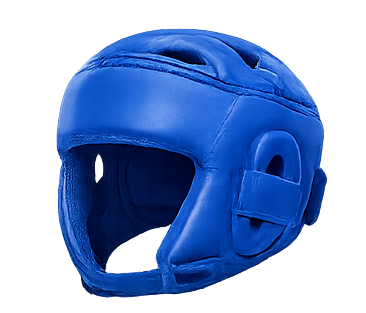
Helmet
It must be open-faced. No protection on the cheekbones, visor, etc.
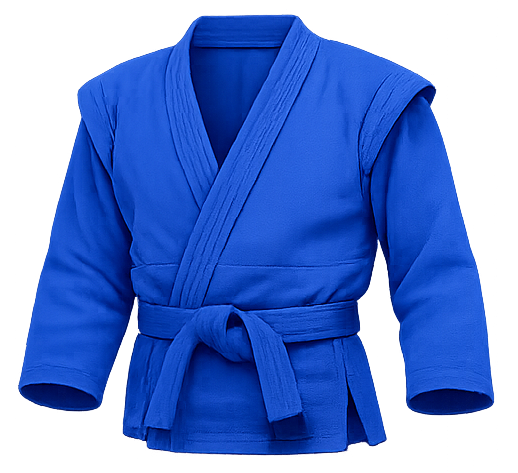
Jacket
It must be made of cotton fabric with a special, durable cut
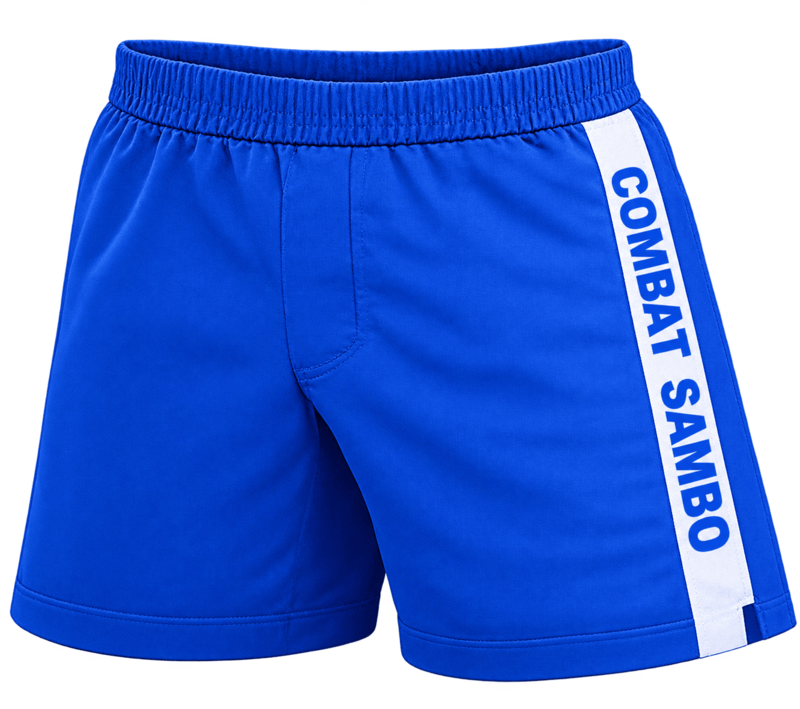
Shorts
Sports Shorts for Combat Sambo
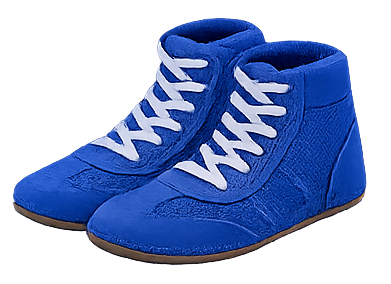
Footwear
Athletic shoes should have a soft leather sole and soft laces
Equipment
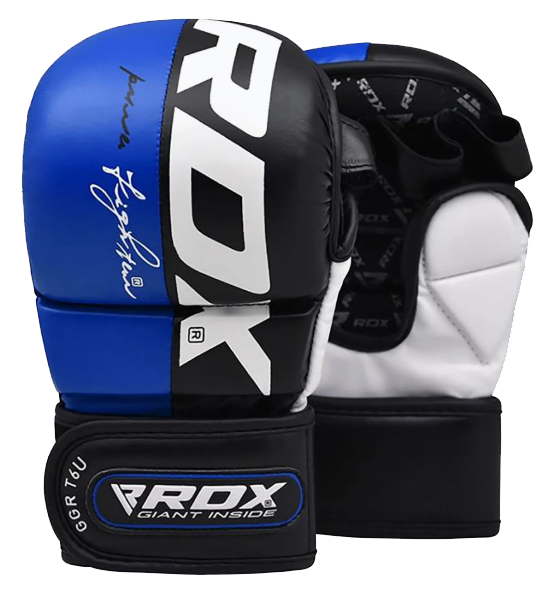
gloves
Soft, open-fingered gloves (6 ounces)
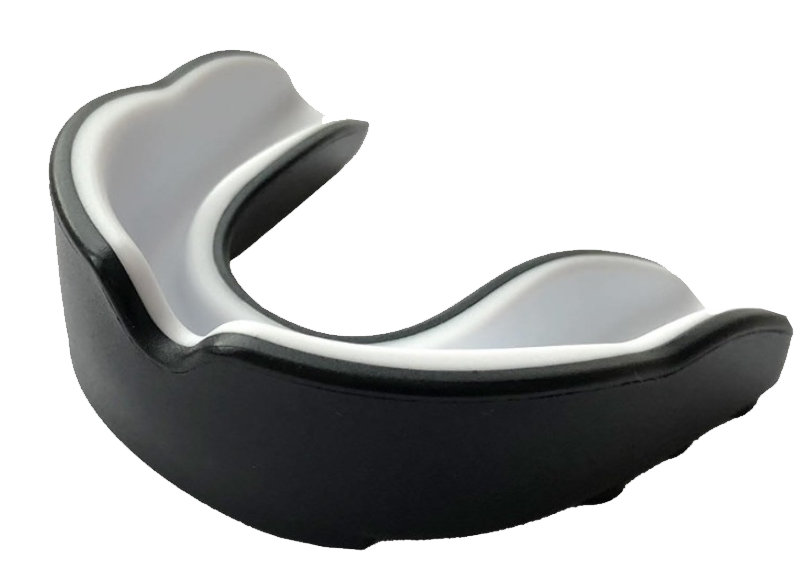
mouthguard
Silicone mouthguard for the upper jaw
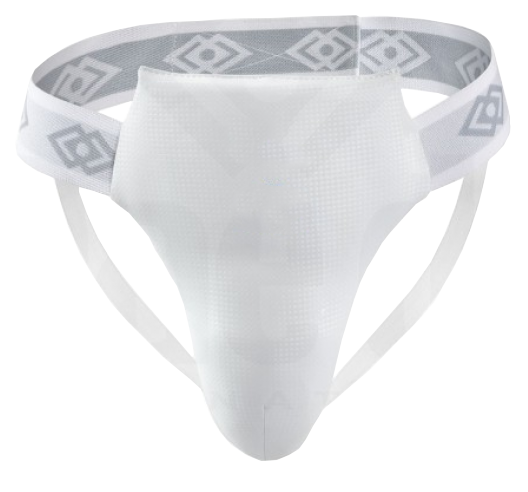
Protective Cup
It must be made of plastic with a fabric fastener (not metal)
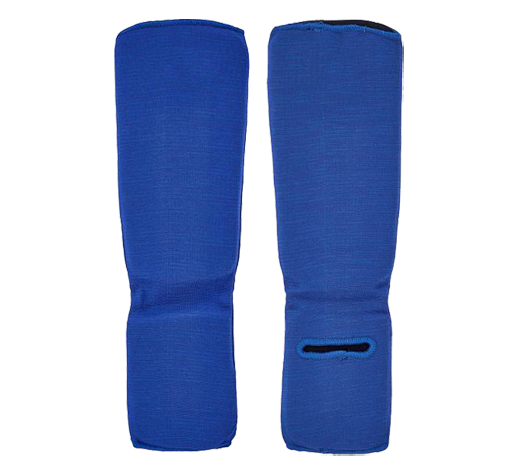
leg protection
Worn at the athlete's discretion